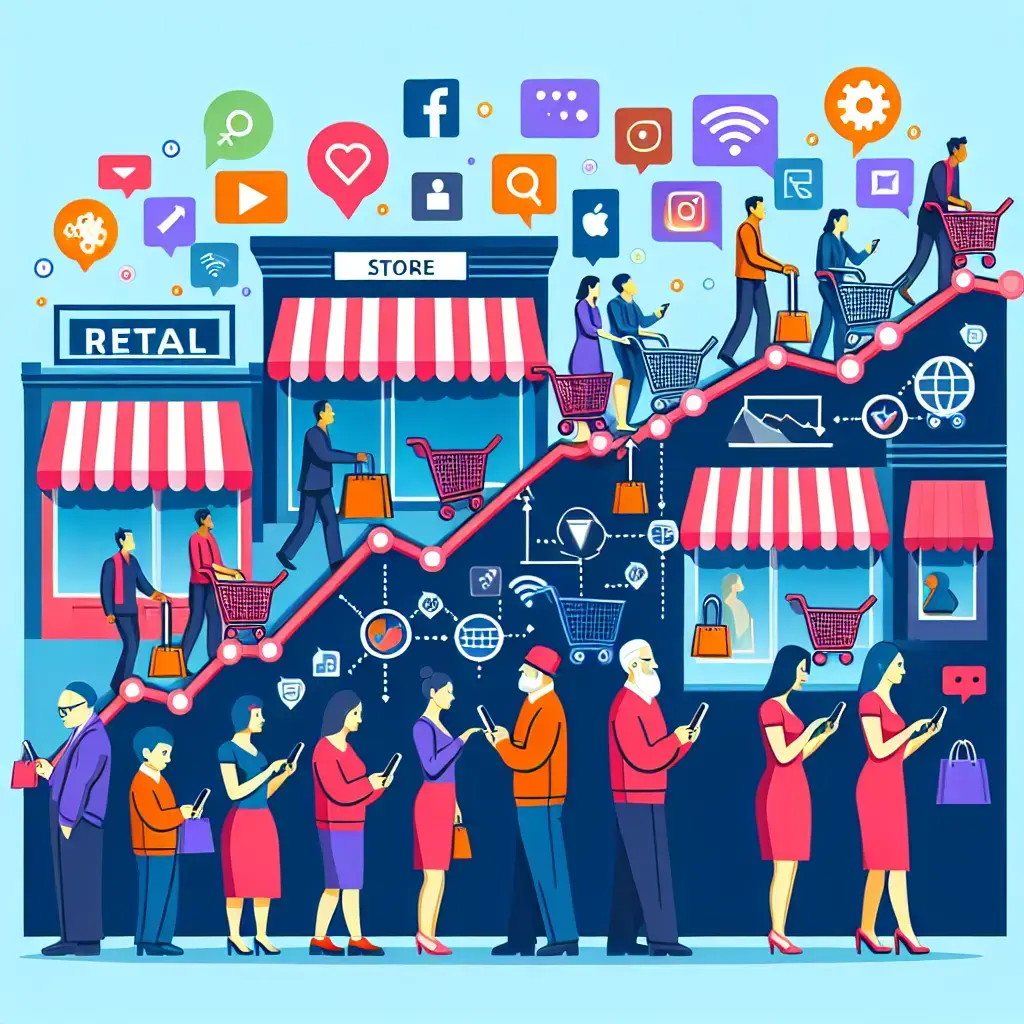
The Rise of Social Commerce: How Direct Buying is Changing Retail
Understanding the Shift in Consumer Behavior
In the rapidly evolving world of digital retail, social commerce is redefining the landscape of online shopping. As consumer behavior shifts towards more interactive and personalized experiences, direct buying through social media platforms is at the forefront of retail transformation. This evolution is not just an e-commerce growth story; it's a testament to how social media shopping and mobile commerce are revolutionizing the way we engage with brands and products.
Retail innovation now hinges on harnessing the power of social media influence and shopping apps, which are pivotal in offering a seamless shopping experience. Through sophisticated retail technology and digital marketing strategies, brands are adeptly tapping into social selling and influencer marketing to boost customer engagement like never before. The traditional retail model is undergoing a profound retail disruption, driven by online consumer trends that prioritize convenience and immediacy.
The Impact of Social Media Influence
Social media influence plays a crucial role in retail innovation. Brands leverage digital marketing strategies, such as social selling and influencer marketing, to connect with audiences in meaningful ways. A key aspect of this strategy involves understanding the nuances between retail media and commerce media. As discussed in Adweek, these two channels offer distinct opportunities for retailers to engage with consumers.
Recent developments underscore this shift. For instance, Amazon's strategy to integrate purchasing directly through platforms like Pinterest and TikTok highlights the growing importance of seamless shopping experiences. This functionality allows users to link their accounts and shop without leaving their preferred social media apps, thereby enhancing customer engagement (source).
Harnessing the Power of Mobile Commerce
Mobile commerce is another critical component of the evolving retail landscape. Shopping apps are essential tools that provide a direct connection between brands and consumers. As outlined in a Forbes article, having the right technology is crucial for success in today's highly competitive retail sector. Brands must adopt sophisticated digital strategies to stay ahead of the curve and meet the expectations of tech-savvy consumers.
One notable trend is the integration of shopping features within social media apps, allowing users to discover and purchase products seamlessly. This approach aligns with the growing demand for interactive and personalized shopping experiences. By focusing on mobile commerce, brands can effectively tap into online consumer trends and drive e-commerce growth.
Case Study: Amazon's Social Commerce Strategy
Amazon's recent efforts to enhance its social commerce capabilities exemplify how direct buying is transforming retail. By enabling purchasing through social media platforms like Pinterest and TikTok, Amazon is positioning itself at the forefront of retail innovation. This strategy not only streamlines the shopping process but also taps into the immense potential of social media influence.
A key advantage of this approach is the ability to engage consumers where they already spend their time. By integrating purchasing options within social media apps, Amazon reduces friction in the buying process, thereby boosting customer engagement and facilitating e-commerce growth. This strategy also aligns with broader online consumer trends that prioritize convenience and immediacy.
Leveraging Influencer Marketing for Enhanced Engagement
Influencer marketing is a powerful tool in the realm of social commerce. Brands are increasingly collaborating with influencers to create authentic connections with their audiences. This approach not only boosts brand visibility but also enhances trust and credibility among consumers.
The effectiveness of influencer marketing is evident in its widespread adoption across various industries. As highlighted by Sprout Social, brands can learn from successful influencers on platforms like Pinterest to refine their strategies and maximize impact. By leveraging social media influence, brands can create compelling narratives that resonate with their target audiences and drive retail transformation.
Navigating Retail Disruption with Data-Driven Strategies
In an era characterized by rapid change, retail disruption is inevitable. To navigate this landscape, brands must adopt data-driven strategies that anticipate future trends rather than relying on outdated data. As noted by Forbes, looking "around the corner" is essential for staying ahead in an ever-competitive market.
This proactive approach involves harnessing the power of advanced analytics and consumer insights to make informed decisions. By understanding online shopping trends and adapting accordingly, brands can ensure they remain relevant in a dynamic digital environment.
Conclusion: Embracing the Evolution of Retail with Social Commerce
As we navigate the shifting tides of retail, social commerce stands out as a transformative force reshaping consumer behavior and business strategies alike. Key points from our exploration include:
Social Commerce Emergence: The integration of direct buying options on social media platforms like Pinterest and TikTok exemplifies the seamless shopping experiences consumers now expect. This shift highlights the importance of convenience and immediacy in modern consumer behavior.
Influence of Social Media: Brands are leveraging social selling and influencer marketing to establish genuine connections with audiences. The distinction between retail media and commerce media offers unique opportunities for targeted consumer engagement.
Mobile Commerce Prowess: With mobile devices serving as a primary shopping tool, brands must harness technology to meet the demands of tech-savvy consumers, facilitating interactive and personalized shopping experiences.
Case Study Insights: Amazon’s strategy to integrate purchasing into social platforms underscores the retail sector’s innovation, reducing friction in the buying process and aligning with broader consumer trends.
Influencer Marketing: Collaborations with influencers enhance brand visibility and trust, with authentic connections fostering deeper consumer engagement.
Data-Driven Strategies: Navigating retail disruption requires proactive data-driven approaches, allowing brands to anticipate trends and maintain relevance in an evolving digital market.
In light of these insights, it is clear that social commerce is not just a trend but a redefinition of retail norms. To remain competitive, brands must continue to innovate and engage consumers through these emerging channels.
I invite you to reflect on how these trends might influence your own shopping experiences or business strategies. What are your thoughts on the future of social commerce? Share your insights and join the conversation as we embrace this exciting evolution in retail.
Author: Lily Peterson